
Syringa / Lilac Trees
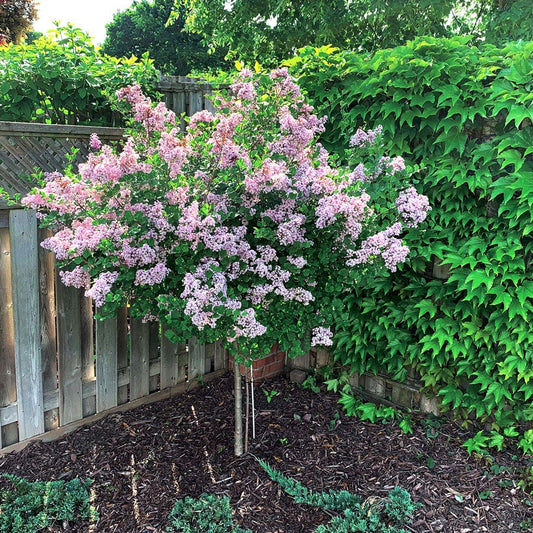
Lilac trees are classic lilac shrubs trained into a small tree form. Grown for their fragrant spring flowers and seasonal bloom, lilac trees add height and structure to sunny landscapes while keeping a clean, defined shape.
-
Syringa Dwarf Korean Lilac Tree Form
Regular price $74.95Regular priceUnit price per$74.95Sale price $74.95Sold out
Syringa / Lilac Trees
Fragrant Flowering Trees With Seasonal Spring Blooms
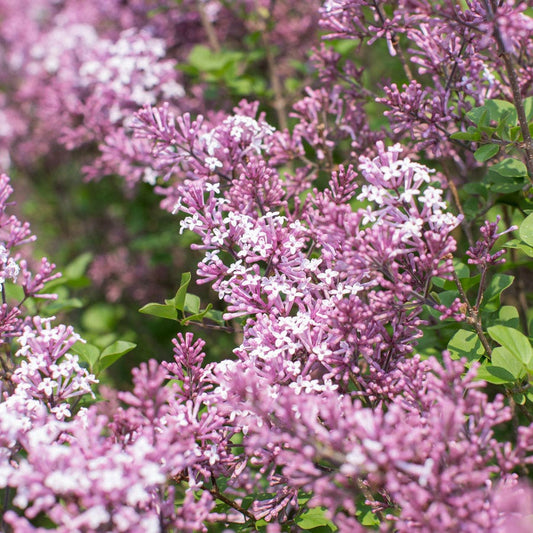
Lilac trees produce dense clusters of fragrant flowers in spring, most often in shades of purple, lavender, pink, or white. Training lilacs into tree form creates a clean, upright silhouette that highlights the flowers and distinguishes them from traditional shrub forms.
Blooming typically occurs in mid to late spring and lasts for several weeks, making lilac trees a distinctive seasonal bloomer in the landscape.
How Tall Do Lilac Trees Get?
Most lilac trees reach between 8 and 15 feet tall at maturity, depending on the variety and how they are pruned. Their spread is usually narrower than lilac shrubs, which makes tree forms well suited to walkways, patios, and smaller garden spaces.
How to Care for a Lilac Tree
Lilac trees grow best in full sun and well-drained soil. Good air circulation helps reduce disease pressure, particularly in humid climates. Water regularly during the first growing season to help establish roots, then water as needed during dry periods.
Mulch around the base to retain moisture and moderate soil temperature, keeping mulch a few inches away from the trunk.
How to Prune a Lilac Tree
Prune lilac trees shortly after flowering. Lilacs bloom on old wood, so pruning later in the season can remove next year’s flower buds.
Remove spent flower clusters and any dead or crossing branches. Light shaping helps maintain the tree form, but heavy pruning should be avoided to preserve flowering.
Garden Uses for Lilac Trees
Lilac trees work well as specimen plants, near patios, or along walkways where their spring fragrance can be enjoyed. After flowering, their healthy green leaves and upright structure continue to add height and definition to the garden.